

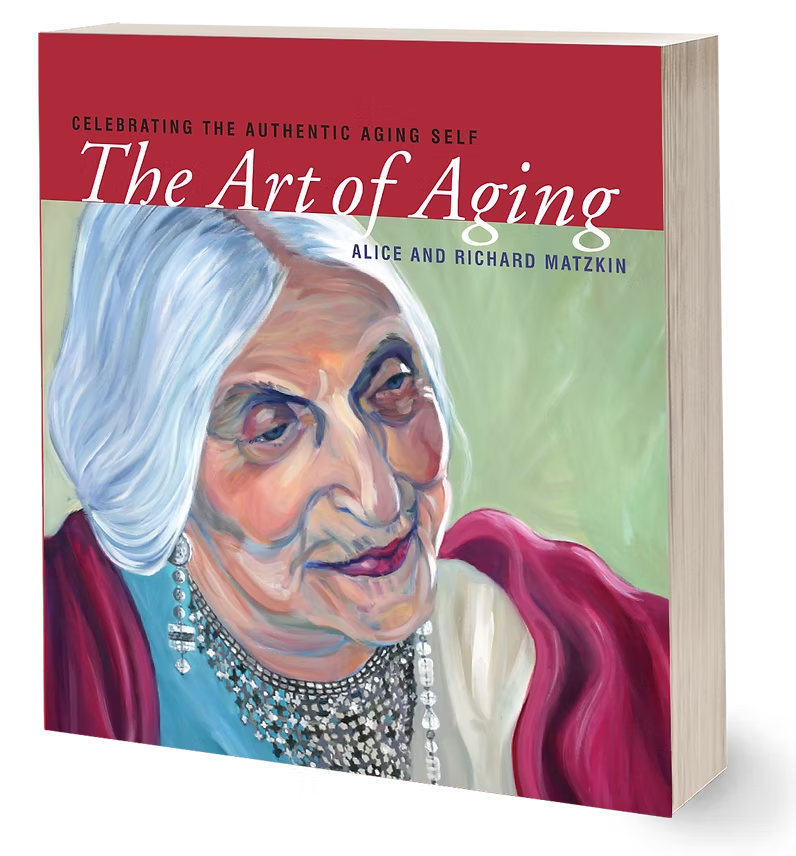
The Art of Aging: A Book by Alice and Richard Matzkin
Growing older is one of the most profound experiences a human being can experience. When I look back at the books about aging that shaped how my wife Alice and I approached our own aging, most of them seemed like clinical checklists. The aging books that genuinely changed me were the ones that treated aging as a living, breathing, deeply human experience worthy of careful attention and even celebration. Searching for a good book about aging can feel overwhelming, because the shelves are full of titles promising longevity hacks and fear-driven warnings. That’s why we decided to write an aging book together that speaks honestly about identity, loss, purpose, and the unexpected richness of elder life.

THE ART OF AGING
Celebrating the Authentic Aging Self
by Alice & Richard Matzkin
In their award-winning book, The Art of Aging, painter Alice Matzkin and sculptor Richard Matzkin share the wisdom of elder mentors to look for the positive side of growing older and coming to accept and appreciate their aging.
Drawing on their personal experiences and the wisdom of older mentors, they conclude that the elder years can be a time of ripening and harvest rather than stagnation and despair. Their art features well-known people such as feminist Betty Friedan and potter Beatrice Wood, friends, neighbors, relatives, and themselves. Both artists find a source of creativity in the older nude body. This profusely illustrated book contains a wealth of inspiration, especially for those about to enter their later years.
Table of Contents
What Readers are Saying About The Art of Aging
"No matter what age, every person should be exposed to this beautiful book and love story. It gives dignity and appreciation for the process of aging, helping a person see past the surface of things. It opens ones eyes and heart into the kind of loving relationship that inspired Alice and Richard to create art with such a deep message. Along with the impact of the images they have created, the words they use to share their personal journey with aging is very touching and can inspire others to see aging from a more beautiful vantage point. I just ordered several to give to friends and highly recommend it as a gift that will be very special." - Mona Brookes
"I can’t tell you how deeply your book has touched me, but I will try. I’ve internalized your images. When I think or hear the word age, your works appear. They evoke a range of emotions in me from awe to compassion. At the same time, they emanate a power, sensuality and pathos. I want to say and weep simultaneously, “Behold the beauty of aging.” The writing at the end brought me to tears. What a gift!" -Kristina V. Grey
"Fantastic! A must-have for anyone over the age of 40 and for all libraries. It will change the way "we" think and feel about aging. Alice and Richard Matzkin are amazing artists, communicators and messengers. This book could change the world." - Maureen O'Brien
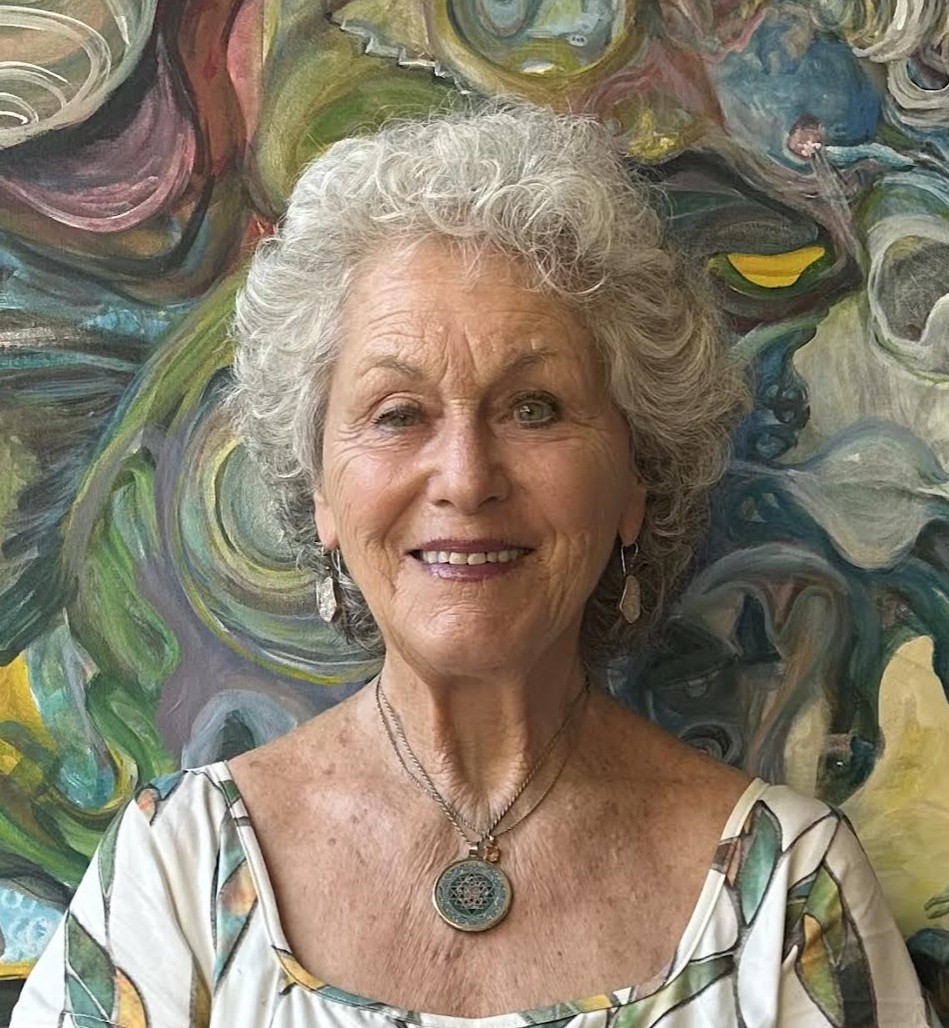
About Alice Matzkin
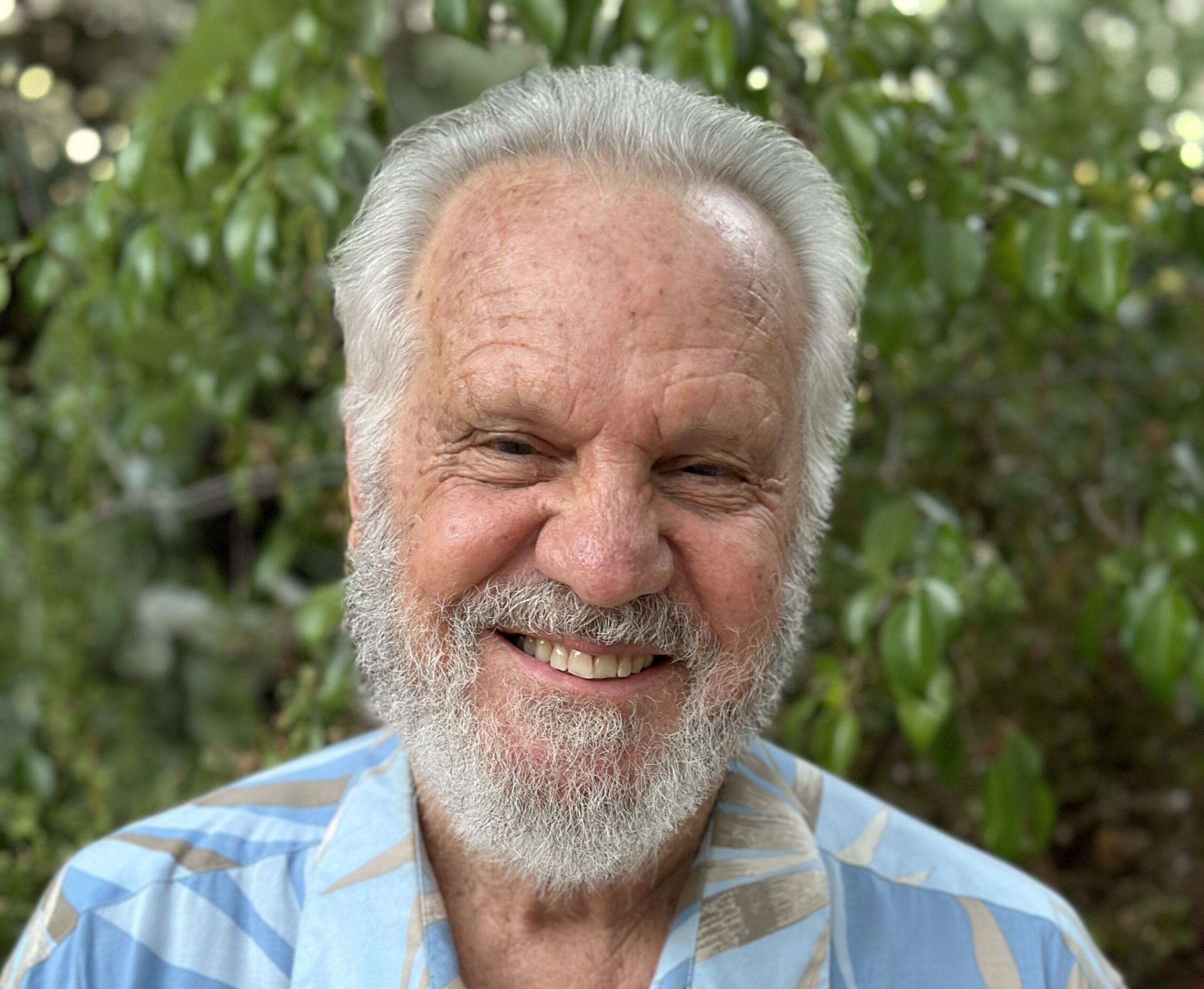
About Richard Matzkin
Readers' Choice: Top Reviewed Books
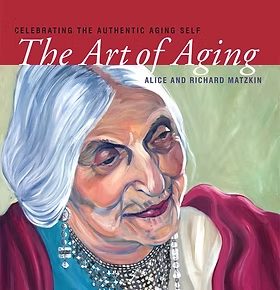
Art of Aging
★★★★★
Insightful and inspiring, this book offers a fresh perspective on aging with dignity and creativity. Readers praise its heartfelt approach and wisdom.
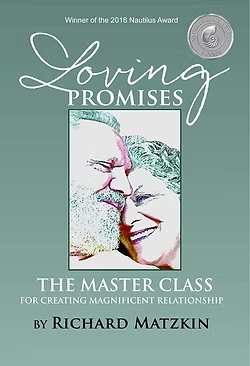
Loving Promises
★★★★★
An intimate look into the workings of a truly magnificent partnership and manifesting generous, mature love in a 40+ year relationship.
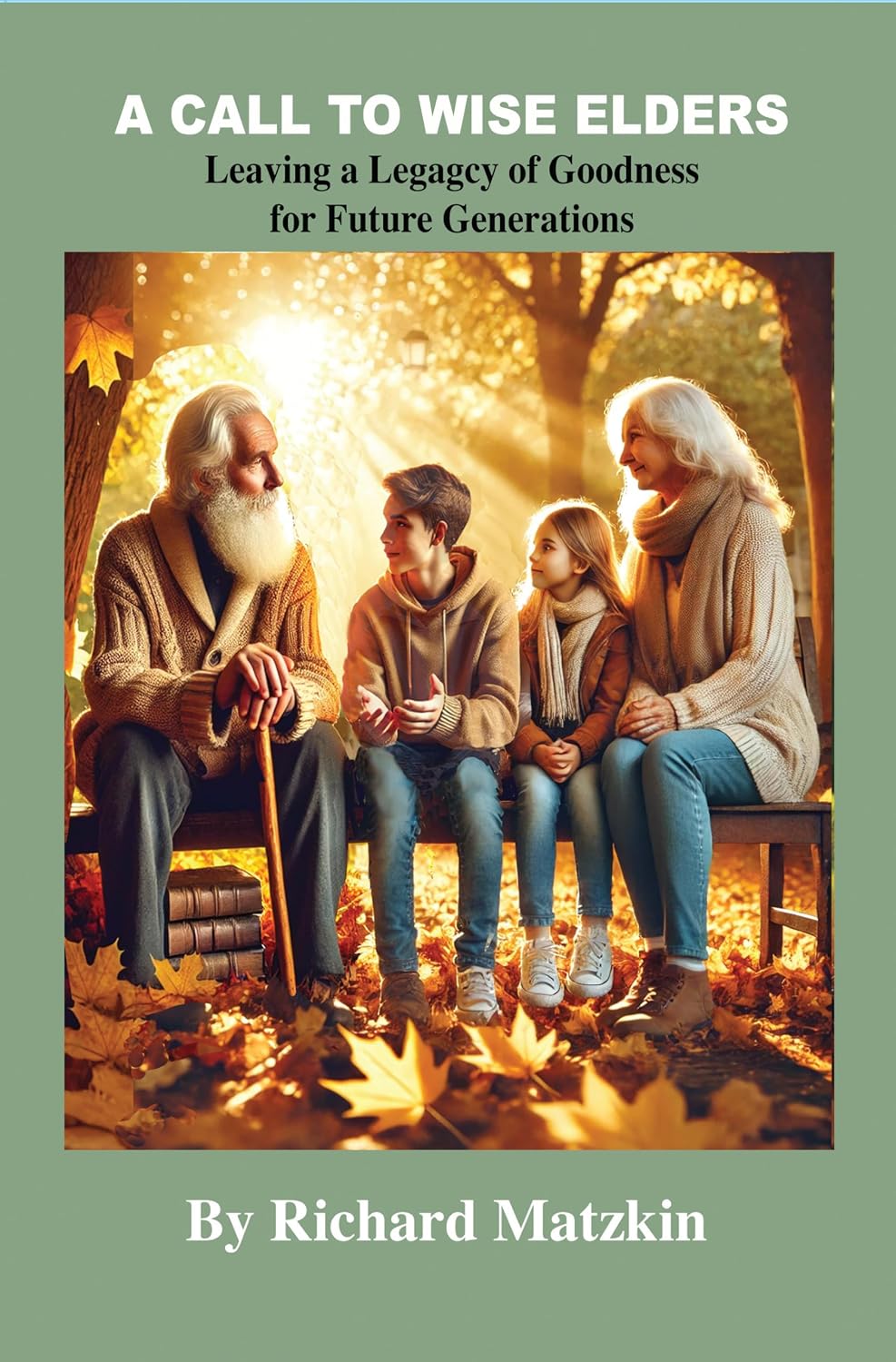
A Call to Wise Elders
★★★★★
This book explores, from many different angles, the powerful influence of the passage of time on a person’s life and relationships.
Why The Art Of Aging Book Stands Out
Alice and I did not set out to write a traditional self-help book. We set out to make something true. The result was The Art of Aging: Celebrating the Authentic Aging Self, a book that moves through painting, sculpture, and personal reflection to explore what growing older can genuinely mean. You can learn more about the work and our philosophy at the Matzkins' books page.
The Matzkins' Human-Centered Approach
What Alice and I brought to this book was not medical expertise or statistical analysis. We brought lived experience, artistic practice, and a deep commitment to seeing older people as whole, complex human beings rather than problems to be managed.
The book features 80 full-color plates alongside personal reflections on acceptance of physical change, sensuality, mature relationships, and the inner life that deepens with age. That combination of visual art and written reflection was intentional. We wanted to reach readers at a level that pure text sometimes cannot.
Our approach centers the person rather than the condition. Aging is not something that happens to you. It is something you can engage with creatively and with intention.
How The Book Encourages Authentic Self-Reflection
One thing I hear from readers consistently is that the book prompted them to think about aging in ways they had been quietly avoiding. That is exactly what I hoped for.
Rather than prescribing a set of behaviors or habits, the book opens a space for readers to ask their own questions. What do I value now? What am I still becoming? What does this stage of life ask of me?
What Readers Need From A Meaningful Aging Book
The most useful books on aging combine emotional honesty with grounded, practical insight. They neither romanticize the process nor reduce it to fear, but instead offer a steady, human voice that makes readers feel less alone and better equipped.
Emotional Honesty And Reassurance
Readers exploring aging need a book that acknowledges the real emotional terrain: grief over changing capabilities, uncertainty about identity, and the quiet ache of watching relationships shift. Without that honesty, a book simply cannot earn a reader's trust.
What I have found, both in my own life and in the response to the work Alice and I created together, is that readers are deeply hungry for reassurance that is not false comfort. They want to know that what they are feeling is real, recognized, and survivable.
The best books on aging do not flinch. They sit with difficulty and then, from that honest place, offer genuine encouragement rather than empty positivity.
Practical Wisdom For Life Transitions
Emotional resonance alone is not enough. A meaningful aging book also equips readers with practical wisdom for navigating real-life transitions such as retirement, changing roles, loss of loved ones, and renegotiating identity.
That practical wisdom does not have to be prescriptive. It can come in the form of a story, a question worth sitting with, or a reflection that reframes a challenge. The key is that readers finish the book with something they can actually use, whether that is a new way of thinking about purpose or a more compassionate conversation to have with themselves.
Books that blend emotional depth with applicable insight are the ones I recommend without hesitation.
Types Of Aging Books And Who They Help
Not every book about aging speaks to every reader, and that is perfectly appropriate. Different people arrive at aging literature from different needs, and the most useful reads tend to match the reader's specific emotional and practical situation. Memoir tends to validate, psychology tends to illuminate, and caregiving literature tends to build empathy across generations.
Memoir And Personal Reflection
Memoir-style aging books work especially well for readers who need to feel accompanied. When a writer describes their own confrontation with physical change, loss of roles, or the reshaping of identity in later life, it can be profoundly relieving to recognize your own experience in those pages.
I find that memoir often does something academic or prescriptive writing cannot: it proves that other people have lived through exactly what you are facing. That is a form of comfort no advice column can replicate.
Psychology And Inner Development
Books grounded in psychology offer a different kind of value. They help readers understand why certain transitions feel so destabilizing and what internal resources support resilience over time.
Erik Erikson's work on later-life stages, for example, introduced the concept of ego integrity versus despair, and that framing has helped generations of readers make sense of what aging asks of the psyche. Books in this vein tend to be particularly useful for readers who want conceptual tools alongside personal narrative.
Caregiving And Family Understanding
For adult children, spouses, or other caregivers, books about aging serve a different purpose entirely. They build empathy, provide context, and sometimes offer crucial guidance for navigating conversations about care, autonomy, and dignity.
A caregiver who has read thoughtfully about the emotional and psychological experience of aging is a more present, more understanding companion to the person they are supporting. I believe that deeply, and it shaped how Alice and I wrote for multiple audiences simultaneously.
How To Choose The Right Read For Your Stage Of Life
The most effective approach to choosing an aging book is matching the book's primary focus to your actual current experience, not to where you think you should be emotionally. The right book is not necessarily the most celebrated one; it is the one that meets you where you are.
Reading For Personal Growth
If you are drawn to aging books out of personal curiosity or a desire to grow into later life with intention, look for books that foreground meaning and identity rather than decline and risk management.
Ask yourself: does this book treat aging as a stage of development with its own rewards? Does it offer a vision of later life that feels genuinely livable, even inspiring? Those are the books worth your time if you are reading for personal growth.
The books that have stayed with me are the ones that expanded my sense of what was still possible, not the ones that told me what to fear.
Reading During Retirement Or Role Changes
Retirement and other major role changes deserve specifically targeted reading because they involve identity disruption, not just logistical change. When a career, a caregiving role, or a long-held social function ends, many people feel genuinely unmoored.
Books that address purpose, contribution, and the reimagining of daily structure can be especially stabilizing during these periods. I would also suggest books that take seriously the question of who you are when you are no longer defined by what you do. That question is one of the most important, and most neglected, in aging literature.
Themes That Matter Most In Later-Life Reading
Two themes appear again and again in the most resonant aging literature, and they are the ones I return to most often in my own reflections. These themes are not peripheral to later life; they are its very center.
Identity Purpose And Belonging
The question of who one is in later life is not a luxury concern. It is central to wellbeing. When roles fall away and the social structures that defined earlier decades shift, identity requires active tending.
The best aging books engage this honestly. They take seriously the work of articulating a self that is not tethered to productivity or performance. Purpose in later life often looks quieter and more interior than it did at 40, but it is no less real.
Belonging also deserves attention. Social isolation in older adults is both common and genuinely damaging. Books that illuminate the importance of connection, community, and being truly seen by others contribute something vital to readers navigating these waters.
Relationships Loss And Renewal
Loss is an unavoidable companion to aging, and the books I value most do not pretend otherwise. Friends die. Parents die. Spouses die. Relationships with adult children become complex and sometimes painful.
But loss is not the only relational story of later life. Many people experience genuine renewal in their relationships, including deeper intimacy, surprising new friendships, and a greater capacity to love without the defenses of earlier years. Alice and I have lived this.
The aging books worth reading hold both truths at once: the grief and the opening. That balance is where the most meaningful literature lives. For readers who want to understand more about how Alice and I came to this perspective,our backgrounds and artistic journey offer useful context.
Frequently Asked Questions
What are the best books to read for a graceful, healthy later life?
Books that take a whole-person view of aging tend to be the most useful, addressing not just physical health but identity, purpose, and emotional resilience. Titles that integrate narrative with genuine psychological depth, like The Art of Aging: Celebrating the Authentic Aging Self by Alice and Richard Matzkin, offer readers both inspiration and practical reflection. The most enduring reads treat later life as a stage worth inhabiting fully, not just surviving.
Which novels portray the emotional and spiritual journey of growing older with honesty and hope?
Fiction about aging that resonates tends to center characters navigating loss, identity, and the reshaping of meaning without reducing them to their age. Novels in this space often explore the interiority of later life with more nuance than advice-driven nonfiction. Readers often find that literary fiction validates their own inner experience in ways that self-help writing sometimes cannot.
What’s the best book on aging?
The best books on aging are those honest reflections on how to embrace aging as a special part of life. Writing The Art of Aging alongside my wife Alice was transformative as the book provoked genuine self-examination and a new discovery of purpose and loving connection.
What should a 70 year old be doing every day?
Daily practices that support wellbeing in later life include physical movement, meaningful social connection, some form of creative or intellectual engagement, and time for quiet reflection. What matters most is not a rigid schedule but a rhythm that includes activities tied to genuine personal meaning. Reading, whether memoirs, psychology, or art-centered books on aging, can itself be a powerful daily anchor.
What are the 4 habits to break to slow aging?
While this article focuses on reading rather than medical advice, research broadly points to sedentary behavior, chronic sleep deprivation, social isolation, and persistent negative self-perception as habits that tend to accelerate aging. Many of these are addressed directly or indirectly in thoughtful aging literature. Books that foster a more compassionate, engaged relationship with later life can support positive habit change from the inside out.
What are the 7 pillars of Aging?
The concept of pillars of aging varies by source, but they typically encompass physical health, mental acuity, emotional resilience, meaningful relationships, a sense of purpose, financial security, and spiritual or existential wellbeing. The strongest books on aging address several of these simultaneously rather than isolating one dimension. A book like The Art of Aging engages most of these pillars through the lens of authentic self-reflection and creative expression.
