

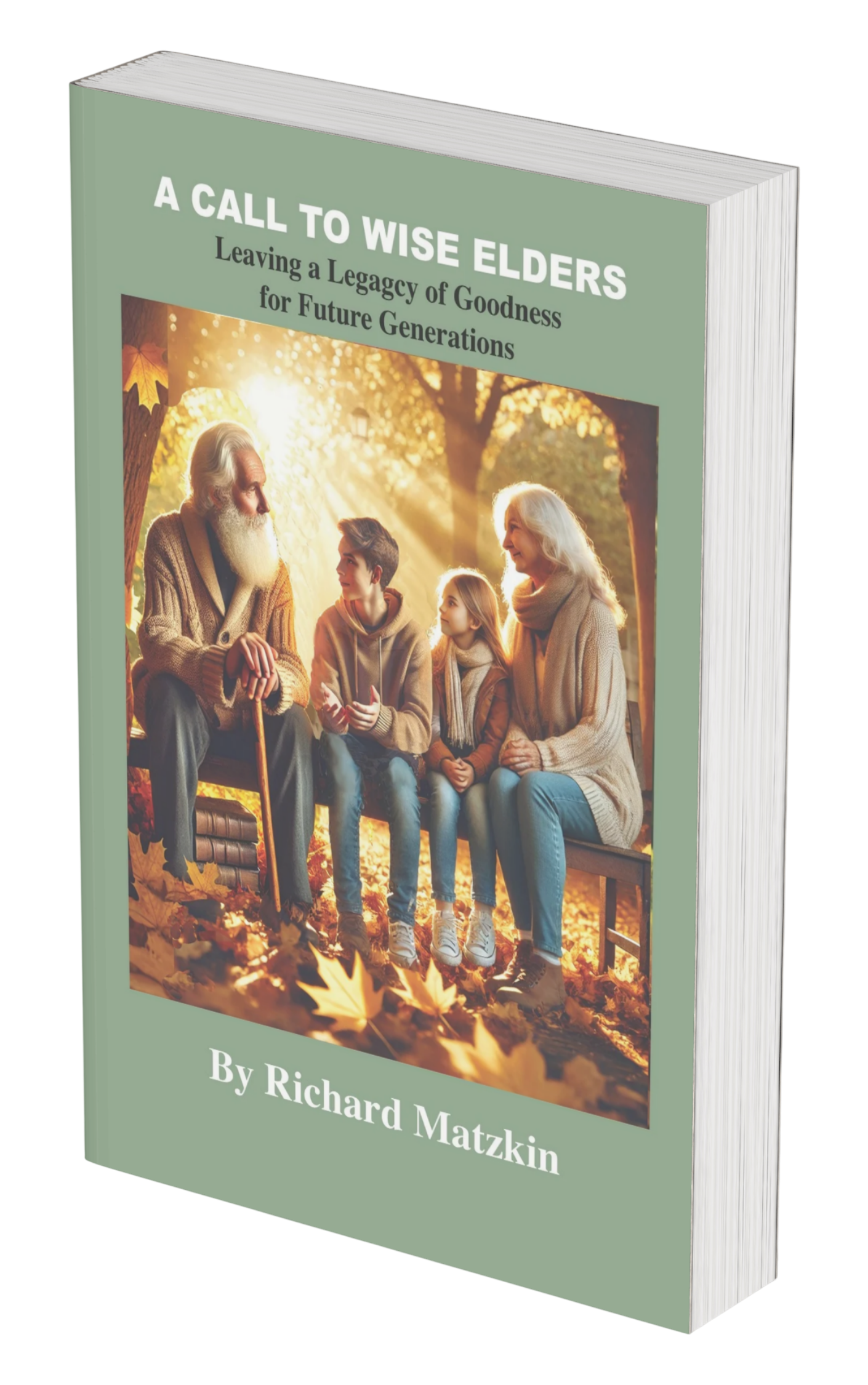
A Call to Wise Elders:
A Book by Richard Matzkin
A Message from the Author, Richard Matzkin
I wrote this book as an invitation for older adults to step into their full potential as guides and mentors. After decades of working with men's groups, directing programs in mental health, and teaching meditation, I recognized something profound. Our culture desperately needs the wisdom that comes from lived experience.
A Call to Wise Elders: Leaving a Legacy of Goodness for Future Generations emerged from my conviction that aging is not about decline. It's about claiming a vital role in society. I've witnessed too many older adults retreat from engagement when they have so much to offer.
My wife Alice and I also collaborated on The Art of Aging: Celebrating the Authentic Self, which reflects our travels to meet elders around the world from Hawaii to India. Alice painted the beautiful elders we met to show the world how empowering aging could be. That work combined my sculptures with her paintings to visually represent the inspiration from those exchanges.
Through my years as a therapist and men's group facilitator, I learned to value the mentorship that happens at unexpected moments. Our paths cross in real life moments giving us chances to share real life experiences. As elders and mentors, we carry decades of relationships, mistakes, triumphs, skills and lessons. Our youth seek guidance and the stability of mentorship.
I believe elders must actively choose to remain engaged. This means offering mentorship, sharing our stories, and most importantly, listening to what they need. My call to elders is simple yet urgent: step forward, speak up, and recognize that your experience matters deeply to those who follow behind you.
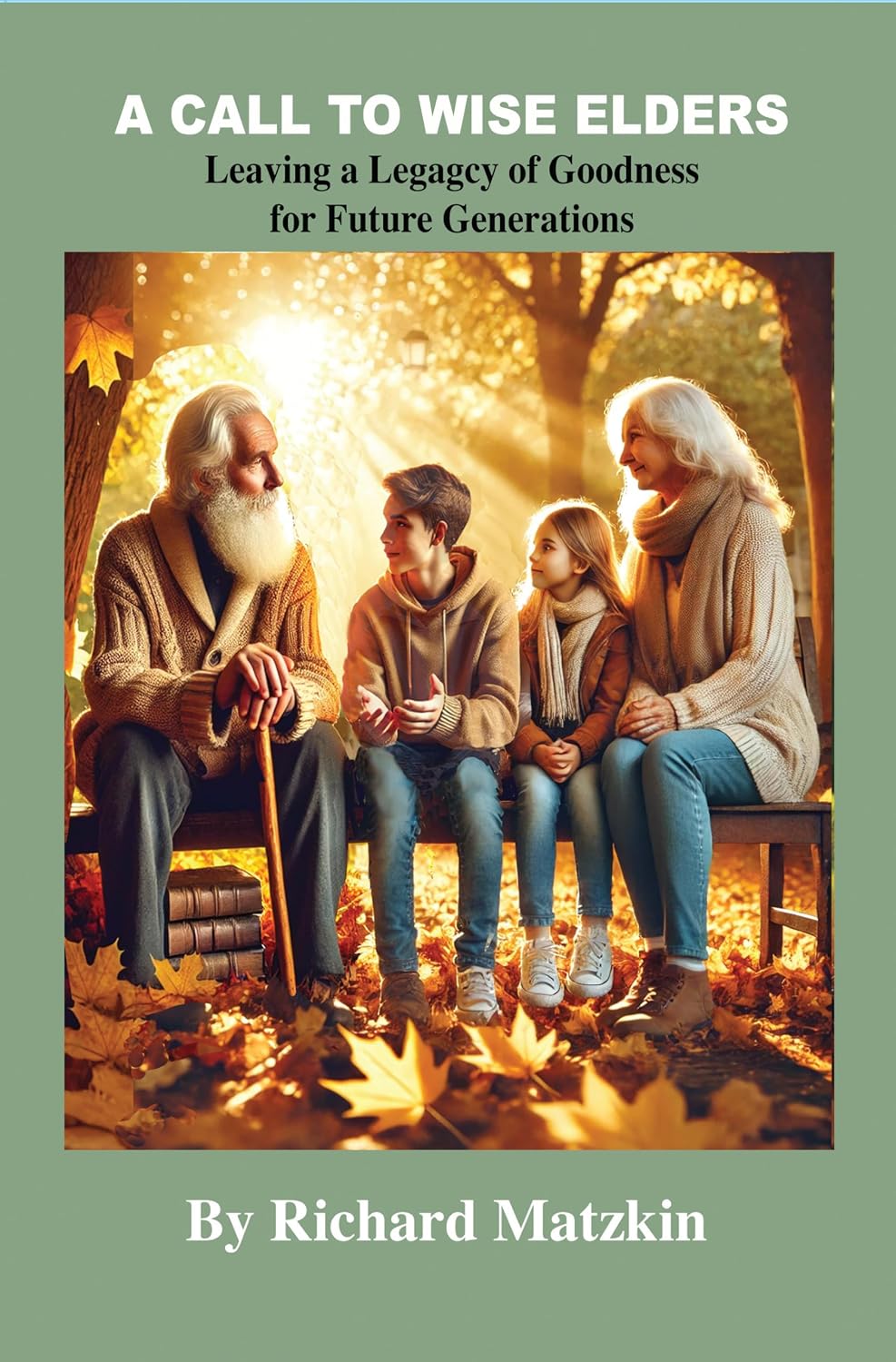

A CALL TO WISE ELDERS
Leaving A Legacy Of Goodness For Future Generations
by Richard Matzkin
We're not too old and it's not too late.
In this timely book, author Richard Matzkin shows how those in the elder generation can be of service and leave a legacy of goodness through their wise words, their beneficial actions, and their wholesome example. The reader will find valuable information and practical suggestions that can help elders define and bring their legacy into reality.
Table of Contents
There is a responsibility that comes with age, one I did not fully understand until I had lived enough years to earn it. Some of us will enjoy our retirement and let the next generation handle the problems of the world. But Alice and I are here to take responsibility for making this world a better place, not just for ourselves, but for the young people who will inherit it. It is not just their world. It is ours too, and we share the obligation to care for it together.
Alice and I speak often about the distance that grows between generations. We're fortunate to have relationships with the young people in our community. Each generation is shaped by its own events, its own way of being, and each has its own soundtrack. We went through it as well, that generational gap between our generation and those of our parents and grandparents. We had to figure out a lot on our own, but now that we are elders, we want to make the effort to reach our to our youth and share our life experiences with them.
We both want to leave a legacy of love. That legacy is the collection of loving moments where we express how much we care about our friends, family, and the everyday people we meet. Our most important legacy is the collection of simple acts such as answering a question, providing some advice, or expressing warmth to each other. That's how we are leaving a legacy of goodness for the next generations.
What People are Saying about A Call To Wise Elders
“This book is not only a call to action, it is an affirmation that old age can be a life stage with meaning and purpose of its own.” -Carol Orsborn, PhD
"The phrase “a life well lived” comes to mind about the themes posed in this book encouraging a path of abundance and service towards fulfillment as I approach the last 3rd of my life. As a 58 year old man deeply engaged in serving my community I greatly appreciate the perspective that these next years of using wisdom to both grow internally and to be a valuable source for others in the world is meaningful and vital. Thank you for advocating for this important Truth and I hope it brings others to this realization as they pursue the evolution of their soul." -David V.
"We're all useful at any age. We’re Not Done Yet. This book left me feeling inspired and challenged in the best way. As someone entering the elder years myself, I sometimes wonder what my role is now and where my energy is best spent. This book reminded me that growing older doesn’t mean becoming less relevant. In many ways, it means we have more to offer. I finished the book feeling encouraged to stay engaged, contribute where I can, and remember that it’s never too late to make a difference." -A. Schwam
"A gem of a book, filled with pearls of wiisdom. What a lovely and comforting book. My biggest take-away was the end-of-lie advice from Riley, "Allow." Pretty good advice for anyone wanting to experience equanimity - young OR old. And Richard and his wife, Alice, certainy model this "Legacy of Goodness."' - Cynthia Riddle
Read a Sample
A Call to Wise Elders: Leaving a Legacy of Goodness for Future Generations
INVOCATION
An invocation is a spoken or written appeal for guidance, assistance or presence, usually at the beginning of an event or undertaking. In a religious context, it is a call to God or to a higher power. Here, I’m urging us to invoke our benevolent inner selves, the best of who we are and who we can be, in order to be of service in a world sorely in need of the aid and wisdom of wise elders.
In this world, where so many are drowning in a sea of tears, may I offer my mature mind, my experienced hands and my caring heart, so that there be less suffering for my fellow human beings. May I be a vessel to help serve those in need, with generosity, understanding, patience and compassion. May my mind be unburdened by the weight of anger, hate, blame and retaliation. May the world be a bit better because of the brief time I will be here. And may my efforts be a source of inspiration, and ultimately spark kindness and peaceful cooperation from person to person, heart to heart, soul to soul. So be it.
INTRODUCTION
What an audacious concept—a book urging senior citizens to get off their butt and do something to make the world a better place.
“I’m old,” you say, “I’ve done my thing, let me relax and enjoy my ‘Golden Years.’ I’ll travel, watch my favorite TV programs, putter in the garden, sip cocktails with friends, and watch the grandkids grow. Yes, the world is a giant mess, but let the younger generations deal with it. It’s their world now.”
Except, it isn’t. It’s our world too.
Worse still, we in the older generation helped create the mess we’re in. We have not been the best models of good citizens. We were born in a time of easy prosperity following World War II, where financial security, steady employment, cheap energy and home ownership were the norm. We have been described as the “Me Generation.” Our generation’s narcissism, wastefulness, and willful neglect of our obligations to those succeeding us were key factors in creating this sad planet we are in the midst of passing on to the upcoming generations. We prospered, while those in Gen X, Y and Z increasingly experience a world of housing crisis, crumbling infrastructure, chaotic governance and declining buying power. They have every reason to be pissed at us.
Lets not have this be our legacy. Let’s stand up and take responsibility for the mess we’ve left. Let’s envision what good we can leave for the future. Remember, Boomers had activist roots in the 60s. We marched. We protested. We railed against the status quo. We espoused our ideals and we actually created change. Then we settled down into our comfortable jobs, our comfortable houses, our 2 1/3 children and a poodle.
Let’s return to those activist roots. Turn off the TV, get up off the easy chair and do something good, something large or small that will be of service to those who come after us—for our neighbors, for our community, for our world. For our children. For their children. It’s right that we do this. It’s needed and it’s the noble thing to do.
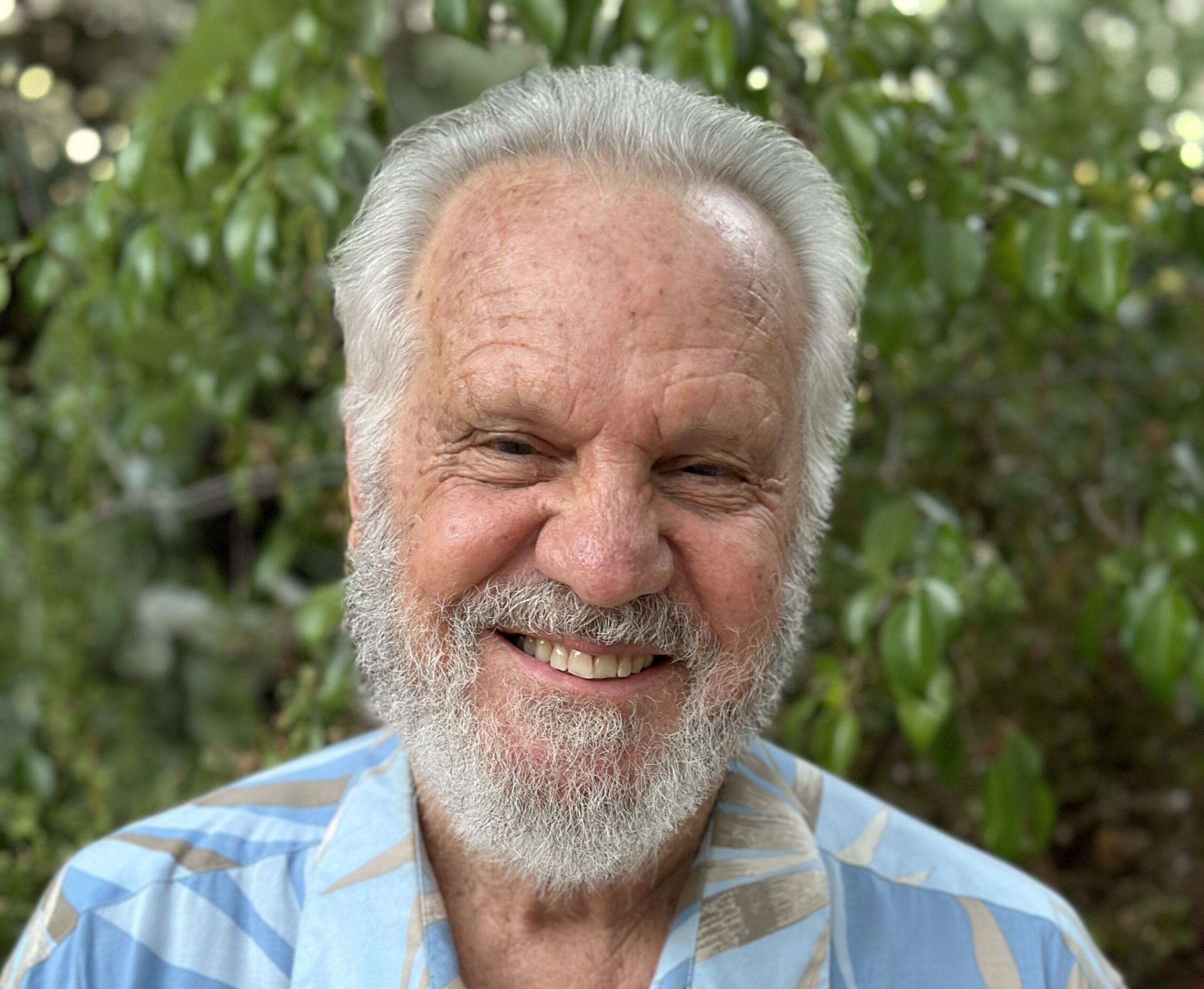
About the Author
Readers' Choice: Top Reviewed Books
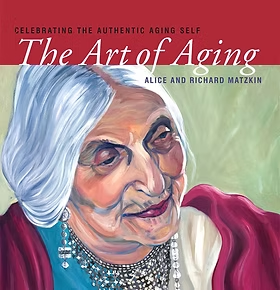
Art of Aging
★★★★★
Insightful and inspiring, this book offers a fresh perspective on aging with dignity and creativity. Readers praise its heartfelt approach and wisdom.
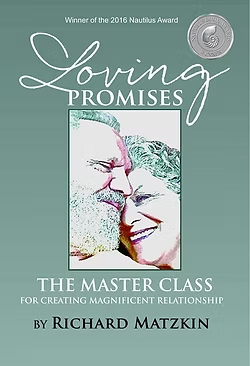
Loving Promises
★★★★★
An intimate look into the workings of a truly magnificent partnership and manifesting generous, mature love in a 40+ year relationship.
A Call to Wise Elders
★★★★★
This book explores, from many different angles, the powerful influence of the passage of time on a person’s life and relationships.
A Guide to Intergenerational Learning
Our youth want our mentorship. When elders share their experiences with younger members of our communities, they create bridges between past and present that strengthen family bonds and preserve cultural identity. These exchanges foster mutual understanding while helping both generations develop skills they might not gain elsewhere.
Bridging Age Gaps Through Dialogue
Earnest conversations between generations can break down stereotypes both groups hold. Young people discover that elders understand more about modern challenges than expected. Older adults recognize that youth face unique pressures their generation never encountered.
These dialogues work best when both parties approach them with genuine curiosity. Asking open-ended questions creates space for deeper sharing. Instead of "What was school like?" try "What do you remember feeling on your first day of high school?"
Effective conversation starters include:
- Life-changing decisions and their outcomes
- Historical events experienced firsthand
- Skills or crafts learned in youth
- Relationship advice based on lived experience
Technology provides new platforms for these exchanges when distance separates generations. Video calls let me share moments with grandchildren across the country, while recorded interviews preserve voices and stories for future family members.
Family Heritage Passed On
Cultural knowledge disappears when elders leave without sharing their expertise. Traditional recipes, native languages, religious practices, and craft techniques represent irreplaceable connections to ancestry.
My work with families has shown me that heritage transmission requires intentional effort. Children don't automatically absorb cultural practices; they need hands-on participation. Cooking traditional meals together teaches more than following a written recipe ever could.
Language preservation stands as one of the most critical aspects of heritage sharing. When elders speak their native tongue with grandchildren, they pass on not just vocabulary but entire worldviews embedded in linguistic structures. Each lost language takes unique cultural wisdom with it.
Family traditions gain meaning when elders explain their origins and significance. I've watched young people embrace customs they once found tedious after learning the historical context behind them. This understanding transforms obligation into celebration.
Preserving Life Experience
Elders carry decades of lived experience that shape families and communities through their personal stories, guidance during hardship, and examples of perseverance. These experiences become lost without intentional efforts to capture and transmit them to younger generations.
Oral Traditions and Reminiscence
I've witnessed how conversation remains the most powerful tool for preserving elder wisdom. When older adults share their memories aloud, they activate details that written records often miss—the emotions, context, and subtle lessons embedded in everyday moments.
Recording these conversations creates a permanent archive. I recommend using simple audio or video devices during family gatherings, asking open-ended questions about childhood, career milestones, and relationship dynamics. The spontaneous nature of reminiscence often reveals insights that structured interviews cannot capture.
Regular storytelling sessions also benefit the elders themselves. Reflecting on their life journey reinforces their sense of purpose and validates their contributions. I've seen how this process strengthens cognitive function and emotional well-being in older adults, making preservation a reciprocal gift rather than a one-way extraction of information.
Lessons in Resilience
Elders who have lived through economic depressions, wars, personal losses, and cultural shifts embody resilience in tangible ways. I've observed that their survival strategies—both practical and emotional—provide blueprints for managing contemporary crises.
Their experiences teach adaptation without losing core values. An elder who rebuilt their life after displacement demonstrates flexibility and determination simultaneously. Their accounts of maintaining relationships through hardship reveal communication patterns and commitment levels that sustain connections across decades.
These lessons gain urgency as our world faces rapid change. I find that documenting how previous generations handled uncertainty, scarcity, and transformation offers perspective that steadies younger people during turbulent times. The specifics matter: how they budgeted during lean years, maintained hope through setbacks, or found meaning after loss.
The Role of Elders in Community
Elders anchor communities through their capacity to guide decisions, strengthen relationships between generations, and maintain the social fabric that holds us together during times of change.
Advisory Contributions
I've witnessed how elders serve as living repositories of institutional memory and practical wisdom that younger community members cannot access elsewhere. Their decades of lived experience allow them to recognize patterns in social challenges, economic cycles, and interpersonal conflicts that might otherwise go unnoticed.
In decision-making processes, elders bring historical perspective that prevents communities from repeating past mistakes. They understand which approaches worked under similar circumstances and which failed despite good intentions. This knowledge proves particularly valuable when communities face unprecedented challenges requiring both innovation and caution.
Their advisory role extends beyond formal leadership positions. Elders mentor individuals through career transitions, family difficulties, and personal growth. They offer guidance without the agenda or competitiveness that sometimes colors advice from peers. I find that their counsel often carries unique weight because it comes from a place of genuine care rather than self-interest.
Fostering Connection and Belonging
Elders create bridges between different age groups by sharing stories, traditions, and cultural practices that give younger generations a sense of identity and place. Through storytelling, they transmit values and lessons in ways that resonate emotionally rather than simply intellectually.
I've observed how their presence at community gatherings creates intergenerational dialogue that enriches everyone involved. Young people gain appreciation for their heritage and context for their own lives. Middle-aged adults reconnect with traditions they may have set aside during busy career-building years.
Elders also model what it means to age with dignity and purpose. They demonstrate that contribution doesn't end at retirement and that every life stage offers opportunities for meaningful participation. This modeling helps younger community members envision their own futures with less anxiety about aging.
Supporting Social Cohesion
The stability elders provide helps communities maintain continuity during periods of rapid change or uncertainty. Their consistent presence and commitment to shared values create an anchor point when other elements of community life shift.
Elders often serve as mediators in conflicts because their age grants them a certain neutrality and respect from all parties. They've typically outlived the grudges and factionalism that divide younger community members. I've seen them facilitate difficult conversations that others couldn't navigate successfully.
They preserve cultural knowledge and practices that might otherwise disappear within a single generation. This preservation work includes language, traditional skills, spiritual practices, and understanding of local ecosystems. Their role as culture-keepers ensures that communities retain their distinct character and identity even as they adapt to contemporary realities.
Frequently Asked Questions
I've found that many people share similar questions about elder wisdom and how to access this valuable resource in their own lives. The answers reveal how deeply our elders' experiences can guide us through life's challenges and enrich our understanding of what truly matters.
What is the meaning of wisdom of elders?
The wisdom of elders embodies accumulated knowledge, the ability to apply life experience to make sound judgments, and the sincere desire to offer guidance rooted in both successes and failures.
I've learned that elder wisdom encompasses emotional intelligence developed through decades of navigating relationships, work, and personal growth. Elders possess a unique perspective on what brings lasting fulfillment versus temporary satisfaction. Their wisdom includes understanding how to face adversity with grace and how to maintain meaningful connections throughout life's transitions.
What is the best advice from elders?
The most valuable advice I've heard from elders centers on prioritizing relationships over material success. They consistently emphasize that time spent nurturing connections with family and friends brings more lasting joy than career achievements or possessions.
