

By Richard Matzkin | Published on June 02, 2026
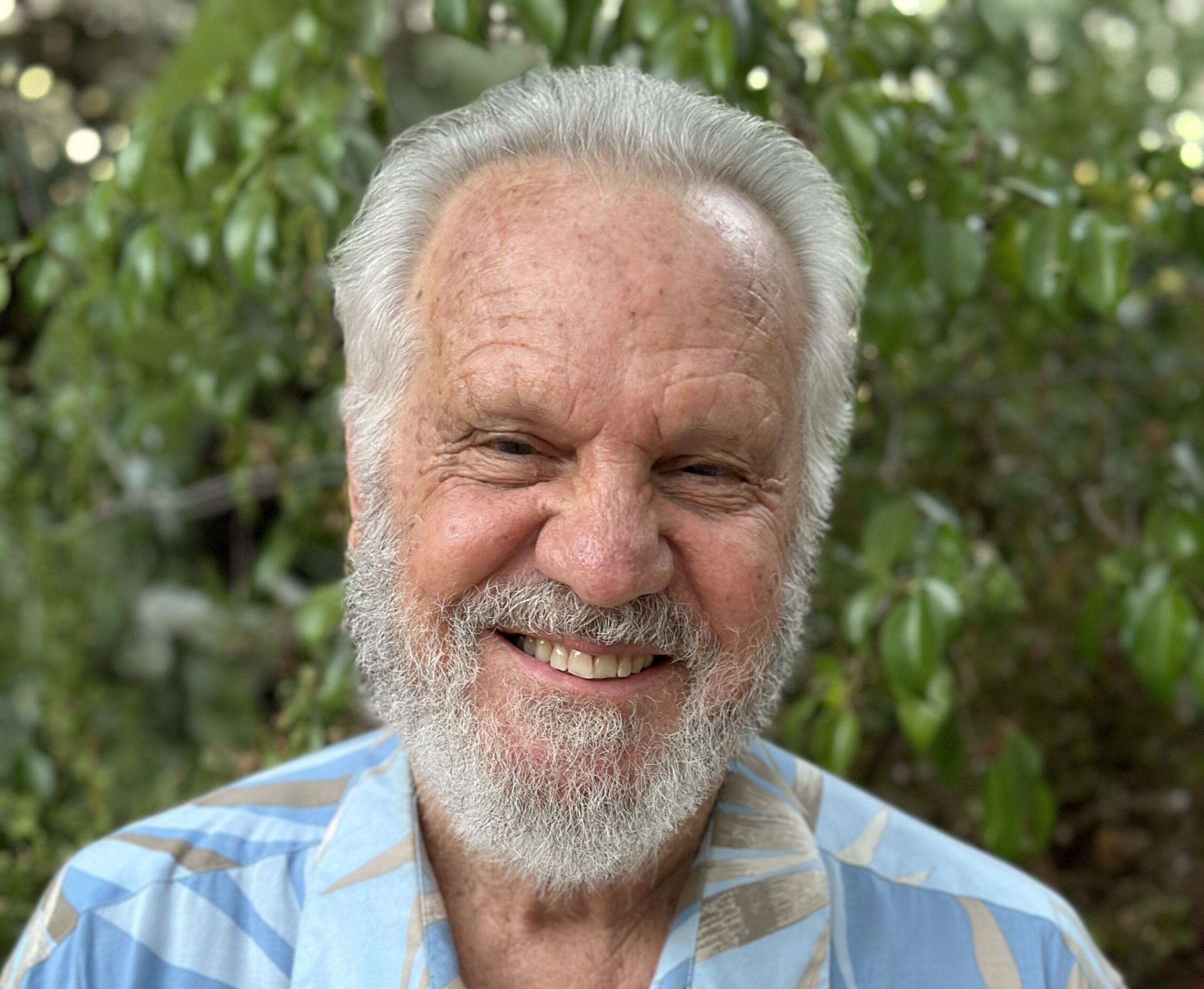
Author and Artist specializing in love, aging, and mature relationships. Verified credentials on their Author Profile Page.
Positive aging is a paradigm shift that embraces aging as a fulfilling and natural process to be celebrated. To practice positive aging is to set down the anti-aging bias we've inherited from a culture obsessed with youth and uphold the philosophy of ripening. Our Golden years can be a treasured phase of life.
I have spent decades thinking about what it means to grow old with intention, with love, and with open eyes. The answer I keep arriving at is not a wellness prescription. It's not about the next life hack or the newest supplement. It is something closer to a way of seeing — a willingness to deepen self-acceptance and tenderness toward the people around me as the years accumulate. That is why Alice and I wrote The Art of Aging together after she appeared on Oprah. We wanted to inspire others to embrace this rich, misunderstood phase of life rather than fear or reject it.
Aging is Ripening
The dominant cultural narrative frames aging as a process of subtraction. Strength diminishes. Memory softens. Roles contract. This framing is not entirely wrong, but it is dangerously incomplete.
Positive aging shifts the lens from deficit to dimension. The later years carry their own textures: accumulated wisdom, refined priorities, a sharper sense of what genuinely matters. These are not consolation prizes handed out to soften the blow of getting older. They are earned qualities — carved into us the way water shapes stone over time.
Older adults who interpret change as part of a larger arc, rather than pure loss, report higher life satisfaction and greater resilience. The season metaphor resonates deeply with me. Winter is not a failed summer. It has its own austere beauty, its own kind of warmth that only arrives when you stop measuring it against July.
Why Attitude Shapes the Experience
A 2026 study found that 45.15 percent of participants age 65 and older who held more positive beliefs about aging showed measurable improvement in cognitive or physical function. Feeling old is not about a number on a birth certificate. It is about the story you tell yourself about what that number means.
Negative beliefs about aging function as self-fulfilling prophecies. Internalized stereotypes of frailty and irrelevance reduce engagement, increase isolation, and shorten lifespan. A positive mindset operates as the inverse: it sustains engagement, buffers against physical challenge, and cultivates ongoing purpose.
Attitude does not override circumstance. It does not cure illness or reverse loss. It does, however, determine how much of life remains accessible within any given circumstance. I have watched this play out in my own life and in the lives of countless elders Alice and I have encountered through our work together.
Love, Partnership, and the Inner Life
I came to Alice after three marriages that taught me, sometimes painfully, what doesn't work. What we have built together over more than four decades is a living laboratory for what does. And what that length of time does to a relationship is not what most people expect. It does not flatten it into routine. It deepens it, the way a river carves more truth into stone the longer it flows.
Long-term partnership produces a form of intimacy that early-stage love cannot access. Shared history becomes a language of its own. A glance carries years of meaning. A silence holds comfort rather than distance. You learn each other's rhythms so thoroughly that you can sense a shift in mood before a single word is spoken.
Research confirms what lived experience demonstrates: older adults in stable, loving relationships report stronger emotional wellbeing, lower cortisol levels, and longer lives. Sharing positive emotions with a partner measurably reduces physiological stress. The body registers love as safety — and safety is the ground from which everything else grows.
Why Emotional Intimacy Matters As Much As Independence
Cultural narratives about aging well emphasize independence above almost everything else. Stay autonomous. Stay self-sufficient. Don't be a burden. Independence has genuine value — I am not arguing against it. But emotional intimacy is equally essential to healthspan and wellbeing, and it receives far less attention.
Emotional intimacy involves being known, being seen, and feeling safe enough to bring the full truth of your inner life into contact with another person. For older people, this kind of connection counteracts the loneliness that poses serious cognitive and physical health risks. The body knows the difference between solitude chosen and loneliness endured.
I have watched Alice and me navigate real difficulty, real loss, and real change over these many years. What has held us together is not capability or competence. What has held is tenderness and the deliberate, daily choice to remain present to each other. That choice is available to anyone, in any season of life, regardless of what circumstances have changed.
Creative Expression and the Elder Role
Alice is a painter. I am a sculptor and writer. Our creative lives have not diminished as we have aged. They have become more precise, more honest, more willing to risk sentiment and find something true underneath it.
Creative expression functions as both cognitive engagement and emotional processing. Making something with your hands or your mind requires presence. It demands that your attention stays tethered to the moment rather than drifting toward rumination or worry about what tomorrow might take from you.
Curiosity operates as a form of self-renewal. Older people who pursue new skills, ask genuine questions, and remain open to revision demonstrate stronger cognitive resilience than those who settle into fixed routines. Purpose extends healthspan. Older adults with a clear sense of why they wake up in the morning report lower rates of depression, stronger immune response, and greater mobility.
Service amplifies purpose because it directs attention outward. The elder role in community — as mentor, witness, keeper of institutional memory, and model of endurance — is one that modern culture has largely vacated. Reclaiming it matters. This is partly why I wrote A Call to Wise Elders, a book that invites older adults to step into their role as guides and bearers of goodness for the generations that follow.
Challenges That Deserve an Honest Conversation
Positive aging is not a practice of denial. It does not require pretending that loss is painless, that bodies do not change, or that every elder has equal access to a dignified later life. Honest reckoning is part of the work.
Later life concentrates loss in ways that earlier decades do not. Friends die. Spouses die. Physical capacity shifts. Careers end. The identity structures built over decades require renegotiation. Resilience in this context does not mean rapid recovery or emotional suppression. It means the capacity to grieve fully and then re-engage with life. The two movements belong together. Grief unacknowledged becomes a weight that impedes forward motion, and forward motion without grief becomes a kind of numbness that is its own form of loss.
Ageism operates at both the interpersonal and structural level. It diminishes the perceived value of elder contribution and narrows the opportunities available to people in later life. Internalized ageism is particularly corrosive. When seniors absorb cultural messages that equate age with irrelevance, they self-limit. They disengage. They shrink.
Challenging ageism requires naming it, rejecting it as a cultural norm, and actively constructing alternative narratives. The work Alice and I have done through The Art of Aging — including paintings that entered the permanent collection of the Smithsonian Institution's National Portrait Gallery — represents one form of that resistance. Art that depicts age with dignity and sensuality pushes back against dismissal. It says: look again. This stage of life is not what you have been told.
For more on our journey and our body of work, visit our about page or read more on our blog.
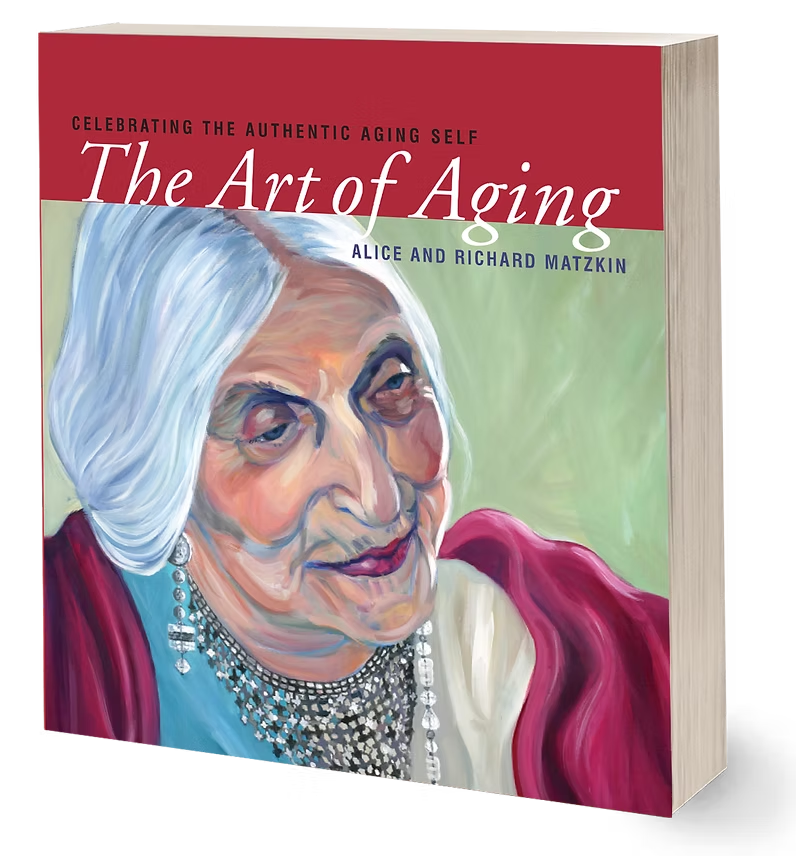



THE ART OF AGING
Celebrating the Authentic Aging Self
by Alice & Richard Matzkin
In their award-winning book, The Art of Aging, painter Alice Matzkin and sculptor Richard Matzkin share the wisdom of elder mentors to look for the positive side of growing older and coming to accept and appreciate their aging.
Throughout this beautiful and touching book, the couple explores the experience of aging through their paintings, sculptures and writings. In a series of projects that confront their fear and curiosity about growing old, they examine physical changes, sensuality and relationships, aging parents, spirituality, and death. Drawing on their personal experiences and the wisdom of older mentors, they conclude that the elder years can be a time of ripening and harvest rather than stagnation and despair. Their art features well-known people such as feminist Betty Friedan and potter Beatrice Wood, friends, neighbors, relatives, and themselves. Both artists find a source of creativity in the older nude body. This profusely illustrated book contains a wealth of inspiration, especially for those about to enter their later years.
About the Author
Key Points
- Positive aging is a paradigm shift from the predominant anti-aging bias in modern society to a honor the elder mentality that sees arriving into your golden age as a time of celebration and legacy building.
- Positive aging centers on resilience, purpose, emotional growth, and meaningful connection rather than the absence of decline.
- Older adults who hold affirming beliefs about aging report measurably better cognitive and physical outcomes.
- Attitude, relationship quality, and daily intention shape the experience of growing older.
- Emotional Intimacy Matters As Much As Independence as we enter into elderhood.
- Move regularly based on what your body can do now, not what it used to do
- Eat balanced meals with enough protein to keep muscle strong as the decades pass
- Protect sleep by keeping consistent bedtimes and wake times
- Stay ahead of problems with routine medical and dental screenings
Table of Contents
What Positive Aging Really Means
Positive aging is a paradigm shift from the predominant anti-aging bias in modern society to a honor the elder mentality that sees arriving into your golden age as a time of celebration and legacy building.
I have spent decades thinking about what it means to grow old with intention, with love, and with open eyes. The answer I keep arriving at is not a wellness prescription. It is something closer to a philosophy of ripening in my self-acceptance.
If you are searching for a more humane, embodied way to understand later life, exploring the full range of books and creative work on aging rooted in lived experience is a meaningful place to begin.
Moving Beyond Decline-Based Views Of Later Life
Dominant cultural narratives frame aging as a process of subtraction. Strength diminishes. Memory softens. Roles contract. This framing is not entirely wrong, but it is dangerously incomplete.
Positive aging shifts the lens from deficit to dimension. The later years carry their own textures: accumulated wisdom, refined priorities, a sharper sense of what genuinely matters. These are not consolation prizes. They are earned qualities.
Older adults who interpret change as part of a larger arc, rather than pure loss, report higher life satisfaction and greater resilience. The season metaphor resonates deeply with me. Winter is not a failed summer. It has its own austere beauty.
Why Attitude Shapes The Experience Of Growing Older
A 2026 study found that 45.15 percent of participants age 65 and older who held more positive beliefs about aging showed measurable improvement in cognitive or physical function. That number carries weight.
Negative beliefs about aging function as self-fulfilling prophecies. Internalized stereotypes of frailty and irrelevance reduce engagement, increase isolation, and shorten lifespan. Positive mindset operates as the inverse: it sustains engagement, buffers against physical challenge, and cultivates ongoing purpose.
Attitude does not override circumstance. It does, however, determine how much of life remains accessible within any given circumstance.
A More Inclusive View Than Traditional Successful Aging
Traditional models of successful aging measured success by the absence of disease and the maintenance of high physical function. These metrics exclude most people eventually, and many people immediately.
Healthy aging and healthy ageing in a more inclusive sense encompass resilience, emotional maturity, social connection, and the capacity to adapt. Seniors navigating chronic illness, grief, or changed bodies are not failing to age well. They may be doing it with remarkable grace.
Aging well demands a framework wide enough to hold the full range of human experience in later life, not just its most photogenic expressions.
Love, Partnership, And The Inner Life Of Aging Well
Alice and I have been together for more than four decades. What that length of time does to a relationship is not what most people expect. It does not flatten it. It deepens it, the way a river carves more truth into stone the longer it flows.
How Long-Term Companionship Deepens With Time
Long-term partnership produces a form of intimacy that early-stage love cannot access. Shared history becomes a language of its own. A glance carries years of meaning. A silence holds comfort rather than distance.
Research confirms what lived experience demonstrates: older adults in stable, loving relationships report stronger emotional wellbeing, lower cortisol levels, and longer lives. Sharing positive emotions with a partner measurably reduces physiological stress. The body registers love as safety.
Mature relationships are not static achievements. They require ongoing attention, negotiation, and renewal. The willingness to keep growing together is what separates a long relationship from a deeply sustaining one.
Why Emotional Intimacy Matters As Much As Independence
Cultural narratives about aging well emphasize independence above almost everything else. Independence has genuine value. But emotional intimacy is equally essential to health span and wellbeing, and it receives far less attention.
Emotional intimacy involves being known, being seen, and feeling safe enough to bring the full truth of your inner life into contact with another person. For older people, this kind of connection counteracts the loneliness that poses serious cognitive and physical health risks.
I have watched Alice and me navigate real difficulty, real loss, and real change. What has held is not capability. What has held is tenderness and the deliberate choice to remain present to each other.
Ways To Nurture Relationships In The Later Years
Sustained relationship quality requires practice, not just commitment. Specific behaviors matter. Specific habits deepen or erode closeness over time.
Practical ways to nurture relationships in later life include:
- Practicing daily gratitude practices together, naming one specific thing you value in your partner or friend
- Choosing presence over productivity during shared time
- Speaking honestly about fear, grief, and change rather than managing each other's comfort
- Initiating physical affection with intention, not habit
- Seeking new shared experiences that generate fresh memory and meaning
Community matters too. Older adults who invest in friendships, neighborhood bonds, and group participation sustain stronger emotional resilience than those who rely on a single relationship for all connection.
Daily Practices That Support Vitality And Meaning
What I notice, after all these years, is that the days themselves are where vitality is either built or quietly lost. Grand intentions do not substitute for small, consistent practices repeated across ordinary time.
Physical And Mental Habits That Extend Health Span
Health span refers to the period of life during which a person maintains functional independence and quality of living. It is distinct from lifespan, and it is more directly shaped by daily behavior.
Physical habits that extend health span include:
- Regular movement tailored to current ability, prioritizing consistency over intensity
- Balanced nutrition with adequate protein to preserve muscle mass in later decades
- Restorative sleep maintained through consistent sleep and wake times
- Preventive care through routine medical screenings and dental health
Mental habits with documented cognitive benefit include mindfulness practice, stress reduction techniques, and sustained intellectual engagement through reading, learning, or creative challenge. Cognitive health does not require formal exercise; curiosity applied daily is sufficient.
Creative Expression, Curiosity, And Continued Growth
Alice is a painter. I am a sculptor and writer. Our creative lives have not diminished as we have aged. They have become more precise and more honest.
Creative expression functions as both cognitive engagement and emotional processing. Making something with your hands or your mind requires presence. It demands that attention stay tethered to the moment rather than drift toward rumination or worry.
Curiosity operates as a form of self-renewal. Older people who pursue new skills, ask genuine questions, and remain open to revision demonstrate stronger cognitive resilience than those who settle into fixed routines. The growth mindset in later life is not a motivational concept. It is a measurable protective factor.
Purpose, Service, And The Elder Role In Community
Purpose extends health span through mechanisms that are now well documented. Older adults with a clear sense of why they wake up in the morning report lower rates of depression, stronger immune response, and greater mobility.
Service amplifies purpose because it directs attention outward. The elder role in community, as mentor, witness, keeper of institutional memory, and model of endurance, is one that modern culture has largely vacated. Reclaiming it matters.
My own writing increasingly addresses this directly. The wisdom held by people who have lived fully, loved honestly, and survived real loss is not incidental. It is a community resource. Elders who share that wisdom in mentorship, in storytelling, or in direct service perform something that no algorithm or institution can replicate.
Challenges That Deserve An Honest Conversation
Positive aging is not a practice of denial. It does not require pretending that loss is painless, that bodies do not change, or that every elder has equal access to a dignified later life. Honest reckoning is part of the work.
Responding To Loss, Change, And Uncertainty With Resilience
Later life concentrates loss in ways that earlier decades do not. Friends die. Spouses die. Physical capacity shifts. Careers end. The identity structures built over decades require renegotiation.
Resilience in this context does not mean rapid recovery or emotional suppression. It means the capacity to grieve fully and then re-engage with life. The two movements belong together. Grief unacknowledged becomes a weight that impedes forward motion.
Mindfulness practices, journaling, and community support all contribute to emotional resilience. So does the presence of a partner or friend who will sit with you in difficulty rather than rush you through it. Alice and I have needed that from each other. It is not weakness. It is the most mature form of emotional intelligence.
How Social Bias And Ageism Limit Possibility
Ageism operates at both the interpersonal and structural level. Older adults encounter it in medical settings, employment contexts, media representation, and social assumption. It diminishes the perceived value of elder contribution and narrows the opportunities available to people in later life.
Internalized ageism is particularly corrosive. When seniors absorb cultural messages that equate age with irrelevance, they self-limit. They disengage from opportunities. They shrink. The research is clear that these internalized beliefs produce measurable physical and cognitive harm.
Challenging ageism requires naming it, rejecting it as a cultural norm, and actively constructing alternative narratives. The work Alice and I have done through The Art of Aging, including the paintings that entered the permanent collection of the Smithsonian Institution's National Portrait Gallery, represents one form of that resistance. Art that depicts age with dignity and sensuality pushes back against dismissal.
When Systems And Circumstances Shape The Aging Experience
Positive aging cannot be framed solely as an individual responsibility. Aged care systems, housing access, transportation, and economic stability profoundly shape what later life looks and feels like.
Food insecurity affects a significant portion of adults over 65 in the United States. Financial precarity limits access to healthcare, nutrition, and social engagement. These are structural realities, not personal failures. A framework that holds positive aging only as an attitude overlooks the systemic conditions that make attitude insufficient on its own.
The center of a genuine positive aging framework must acknowledge that resilience is harder to sustain without structural support. Advocacy for equitable elder care, economic security, and accessible health systems is as much a part of this conversation as meditation or gratitude practice.
Frequently asked questions
What is positive aging?
Positive aging is a paradigm shift away from the dominant anti-aging bias in modern society to a framework of "successful aging" by focusing on an individual’s continuous self-fulfillment, financial resilience, and active engagement with life. Experts published in the Frontiers in Medicine Journal (.org) identify five core, independent pillars that form positive aging: health, cognition, activity, affect (emotional state), and physical fitness. [1, 2]
What are the 4 types of aging?
Gerontological and developmental literature, archived in repositories such as the University of Arizona Repository (.edu), categorizes the aging process into four distinct dimensions: [1]
- Chronological Aging: The number of calendar years that have elapsed since an individual's birth.
- Biological Aging: The progressive decline in physiological integrity and cellular or organ functioning over time.
- Psychological Aging: The adaptive shifts in mental capacities, cognitive processing, personality, and emotional regulation.
- Social Aging: The changes in expected social roles, interpersonal relationships, and community status dictated by a culture's social clock. [1, 2]
What is the theory of positive aging?
The theory of positive aging argues that an older individual can effectively mobilize their psychosocial resources to adapt flexibly and resiliently to the challenges of growing older. Unlike deficit-focused models of old age, it is anchored in lifespan developmental frameworks—such as Ryff's Model of Psychological Well-Being and Carstensen's Socio-Emotional Selectivity Theory—which argue that optimal mental functioning is shaped by continuous personal growth, purpose, and strong social networks rather than just physical status. [1, 2, 3]
At what age do you start feeling tired and old?
The exact threshold changes by generation, but modern data suggests "old age" is being pushed back. A landmark study published by the American Psychological Association (.org) found that middle-aged and older adults today perceive the actual onset of old age to begin significantly later than previous generations did—often targeting age 70 or older. Furthermore, nationwide survey data from thePew Research Center (.org) indicates that a person's "felt age" diverges sharply from chronological age as they mature; 60% of adults aged 65 and older report feeling noticeably younger than their actual age, with many stating they feel 10 to 20 years younger than what is on their birth certificate. [1, 2, 3]
How many senior citizens live alone?
According to Pew Research Center analysis of 2023 data, approximately 26 percent of U.S. adults ages 65 and older lived alone, while roughly 59 percent lived with a spouse or partner. Women are more likely to live alone than men — about 33 percent of older women compared to 22 percent of older men — largely because men tend to die earlier and widowed or divorced men are more likely to remarry. Among women 75 and older, the share living alone rises to approximately 42 percent.
What is the 40/70 rule for aging?
The 40/70 Rule is a practical guideline suggesting that when adult children reach approximately 40 years of age and their parents reach about 70, it is time to begin proactive, purposeful conversations about future care preferences, housing, health planning, and long-term wishes. The principle is to start these dialogues while everyone is still healthy enough to collaborate on decisions, rather than waiting for a crisis to force urgent and emotionally charged action. It encourages families to create space for honest, low-pressure discussions before the need becomes acute.
