


By Richard Matzkin | Published on June 03, 2026
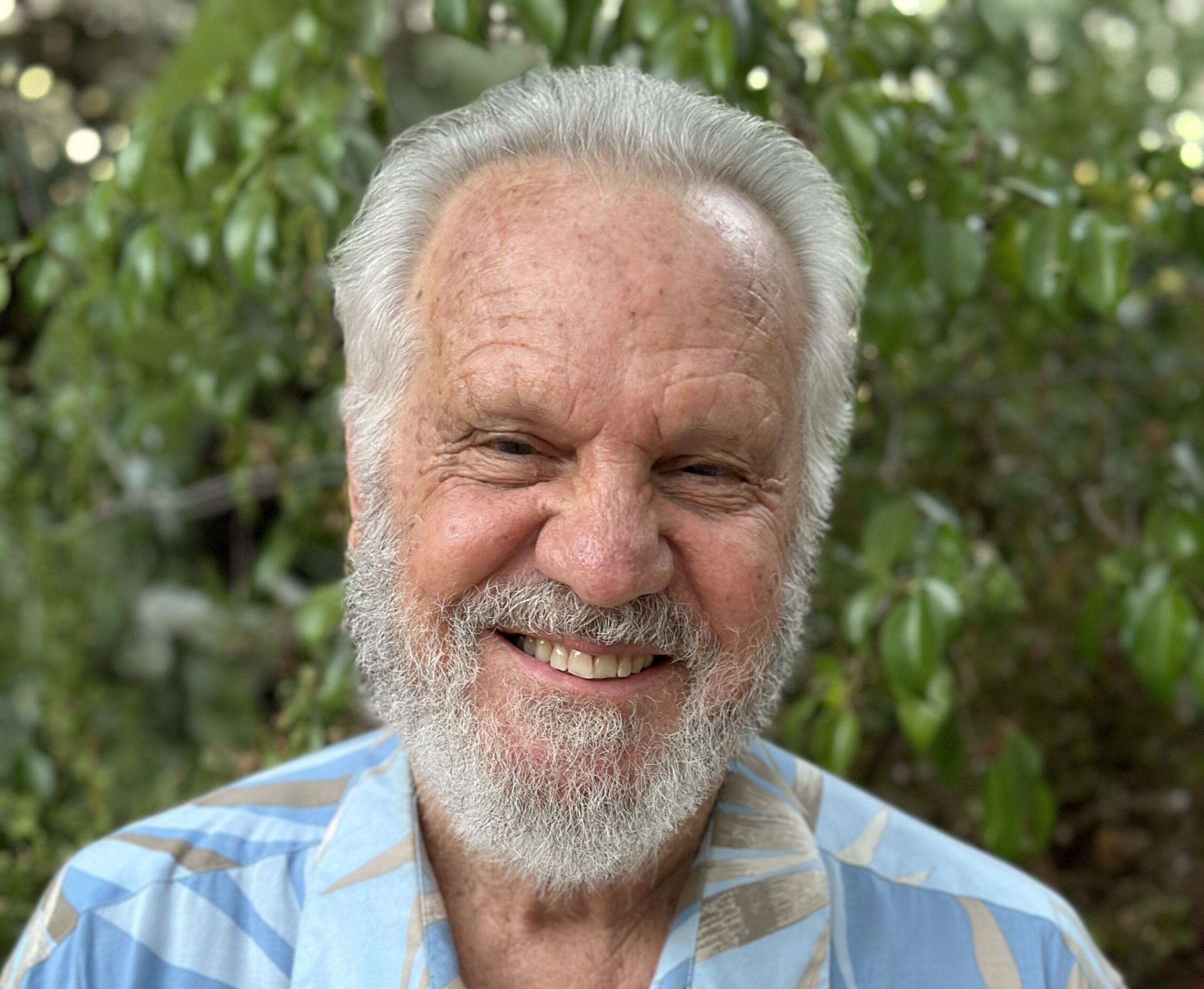
Author and Relationship Writer specializing in love, aging, and mature partnership. Verified credentials on their Author Profile Page.
My partner of 40+ years Alice and I define a loving relationship as a partnership that focuses on the growth and happiness of your partner. If both partners show up with that intention, then the relationship will grow and embody happiness. When you practice this intention on a daily basis, love grows and a loving relationship becomes sustainable. Our love hasn't diminished with age, because we both support each other. There's no competition, just celebration when one of us reaches a new height. We keep coming back to this core intent to support each other's growth and happiness as a sacred discipline. That's how we built a long-term, loving partnership.
I learned how to create a magnificent relationship with Alice from my own life experience. Before Alice, I had three marriages that ended in divorce. These were tough life lessons that taught me neediness is not love. Using another person to fill your own emptiness is not love. But I also carry gratitude, because the pain of those relationships tempered me, ripened me, and made me ready for the woman who would become my teacher, my ardent admirer, and the greatest love of my life.
I want to share how Alice and I figured out how to have a passionate, loving relationship into our eighties. It all started at a friend's party.
How We Met: The Beginning of a Living Laboratory
The first time I met Alice was at my friend Ronnie's house. I had just returned from India, where I had spent time in an ashram studying under the meditation master Swami Muktananda. I was in the process of shedding my spiritual name, Dasserat, and becoming Richard again. Back in my country of birth, I began eating tuna fish after years of vegetarianism, stepping back into the big world after leaving the ashram. Alice arrived at Ronnie's house to go dancing. She was wearing twelve scarves around her waist, waving her arms like a raving maniac, and I stood quietly in the kitchen watching her, thinking, "Who is this woman?" She was unlike anyone I had ever seen. I was captivated.
A few days later, at Ronnie's birthday dinner, someone darted in front of Alice and she sat in the empty seat beside me. We spent the entire evening talking, completely unaware of the other ten people at the table. I invited her to go dancing that Friday. She picked me up in her little Volkswagen Rabbit, George Winston playing on the radio, and we fell in love on the Santa Monica Freeway between the Lincoln and 5th Street off-ramps. I grabbed hold of her hand while she was driving and told her she was beautiful, that she could be a young girl, an old woman, it didn't matter, she was just so beautiful. She looked at me sideways, trying not to crash, and thought, "This guy is such an angel."
We danced that night like Fred Astaire and Ginger Rogers, leaping over the writhing bodies in the Santa Monica dance studio. We have been together ever since. We have been married to each other five times, renewing our vows and always finding an excuse for a party, always celebrating that we found each other. Turns out, we were born in the same hospital. We grew up in the same neighborhoods in Los Angeles, blocks apart. We probably crossed paths countless times before we ever actually met. It was as if we picked up where we had left off from somewhere, some other life, some deeper knowing.
Alice's generosity pull my own generosity out of me, the way sunlight draws a plant toward it. Alice is the picture of open-handed giving. You cannot fight someone who is so freely generous. She made it easy to be with her, to want to be with her. We've both showed up to build this magnificent relationship that has stood the test of time. Here's a few lessons we learned along the way.
The Body Changes, But the Essence Ripens
The body changes. Energy shifts. Some of what was once effortless requires more intention. I will not pretend otherwise. Alice was fifty-eight years old when she looked in the mirror one morning, saw the lines and wrinkles accumulating on her face, and freaked out. She started noticing twinges in her arm, started seeing death everywhere — in the plants, in the trees, in the inevitable entropy of all living things. She told me she thought she was losing her mind.
Instead of surrendering to that fear, she picked up a brush and began painting portraits of women seventy years and older, asking each of them what makes life worthwhile. She sat with Beatrice Wood, the renowned ceramicist and Dada artist, who at 105 years old was still throwing pot after pot after pot in her studio. Alice watched her and thought: the will of creativity never runs dry. You might have moments of darkness where you think you will never figure anything out again, but then you realize you are just gestating. Whatever is going to come out will come out. Beatrice died nine days after Alice photographed her for the portrait that became the cover of The Art of Aging, the book we wrote together after Alice's appearance on Oprah brought our work to a national audience.
While Alice painted, I sculpted. I created a series called Old Lovers — figures in clay and bronze depicting elderly couples still madly, engulfed in love. They do not look like us, but they are expressions of the way we feel about each other. When you look at the woman's face in those sculptures, she is completely held by love. That is what I wanted to express: that the tenderness between two people who have stayed does not fade. It deepens into something almost unbearable in its beauty.
We worked on this art for fifteen years. It completely changed our understanding of growing older. We freak out less now. We are not afraid. And we have come to understand that beauty comes in everything — whether you are old or whether you are young, there is beauty in every stage. Is summer more beautiful than winter? Is mid-fall less magnificent than spring? Each season has its own splendor.
The Evolution From "What Can I Get?" to "What Can I Give?"
The most important thing I have learned from Alice in my evolution from emotional immaturity to maturity letting go of the question, "What can I get?" and focusing on "What can I give?" Giving is the key to a magnificent relationship and shared happiness. It is through giving that we receive. This is not a platitude. It is a truth that I have tested over four decades.
When I met Alice, I felt safe for the first time in my life. Her generosity opened my heart. I had been a single mother's child navigating the world with a guarded, grasping orientation, and here was a woman whose very way of being pulled me out of myself. You cannot fight generosity that genuine. It shines through your resistance.
She is why I wrote Loving Promises: The Master Class for Creating Magnificent Relationship. It contains 39 promises, not promises you make to your partner, but promises you make to yourself, because only you are in control of your behavior. The loving behaviors you bring to the relationship set the tone and determine its trajectory. When you are able to bring more love, you are able to receive more love. It is as simple as that.
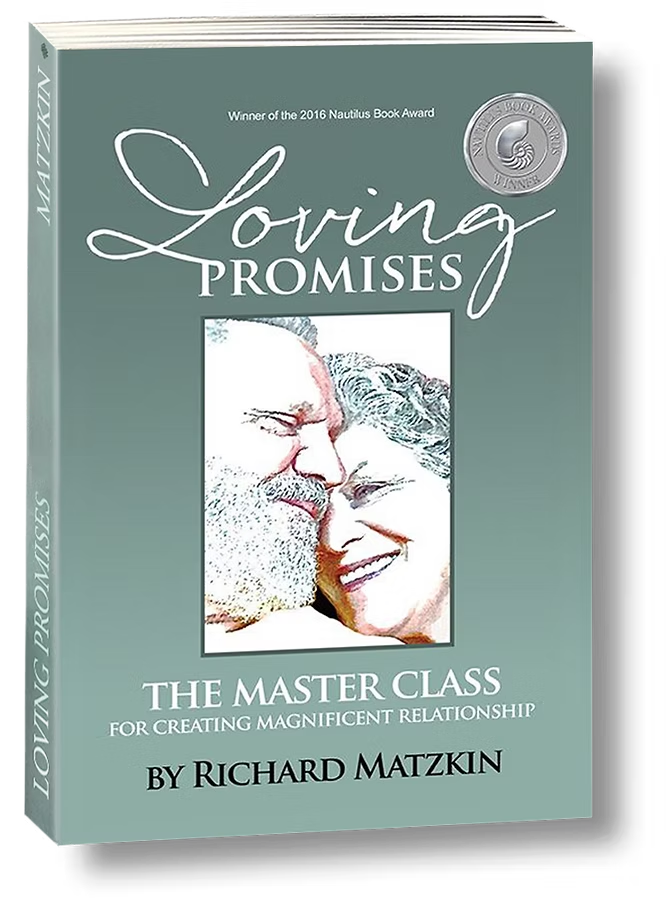


LOVING PROMISES
The Master Class For Creating Magnificent Relationship
by Richard Matzkin
In this unique inquiry into the most profound incarnation of love, author Richard Matzkin looked to his extraordinary, three-decade-long marriage to Alice as a living laboratory to research the elements that comprise a truly loving, magnificent partnership. As a result, he discovered thirty-nine Loving Promises statements of intention you pledge to yourself, not your partner, that are the behavioral components of deep, abiding love.
These Promises are a profound path to transforming even a good relationship into a magnificent one.
What Ripens: The Gifts of Mature Love
When each partner shows up with the intention of fostering the growth and happiness of the other, the loving relationship ripens and both partners ripen with it. No amount of youthful passion can replicate what the sun can do over decades. The accumulated tenderness of shared moments and of having navigated real change together creates a durable bond.
Alice and I are as passionately in love with each other now as when we first met, fell in love, and married over four decades ago. We invariably enjoy each other's company. We settle our rare conflicts fairly and harmoniously. We wake up every morning happy to see that old face on the pillow next to ours. The winter of life carries its own gifts: earned wisdom, hard-won patience, and a love that has been tested and has held. These are not consolation prizes. They are the harvest. They are the fruit that hangs longest on the vine, sweetest at the moment it seems the season is ending.
About the Author
Key Points
- A loving relationship is a sustained, mutual bond built on trust, respect, emotional connection, and the daily choice to care for another person's well-being.
- A successful relationship combines feeling, commitment, and practiced behavior rather than chemistry alone.
- A sustainable relationship is built on trust, Mutual Respect, Understanding, And Empathy
- A loving marriage embodies Commitment, Intimacy, And Affection
Table of Contents
Definition of a Loving Relationship
Key Elements of a Loving Relationship
- Emotional & Physical Safety: Partners feel completely secure expressing their thoughts and vulnerabilities without fear of intimidation or judgment.
- Mutual Respect: Both individuals value each other’s opinions, boundaries, and autonomy.
- Shared Growth: Partners actively support each other’s personal development, life goals, and well-being.
The Difference Between Attraction, Infatuation, And Lasting Love
Attraction is the initial pull toward another person, driven by biology, aesthetics, and the neurochemical surge of dopamine and oxytocin. It is real, but it is not yet love.
Infatuation intensifies that pull into an idealized, consuming preoccupation. Infatuation feels urgent and electric, but it is characterized by projection: you often love the image of the person more than the person themselves.
True love emerges when you see a person clearly, including their limitations, and choose to remain. Lasting love requires compatibility, mutual respect, and the willingness to grow together rather than simply to feel together. The early spark matters, but the daily practice of kindness is what determines whether a relationship endures.
The Pillars That Make Love Sustainable
Trust And Emotional Safety
Trust is the foundational architecture of any loving relationship. Without it, emotional closeness cannot develop and intimacy cannot hold.
Building trust requires consistent honesty, reliable follow-through, and the demonstrated willingness to protect a partner's vulnerabilities rather than exploit them. Trust accumulates slowly through small kept promises and erodes quickly through dismissal or deception.
Emotional safety is what trust produces: the felt sense that you can speak truthfully, show weakness, and express need without fear of ridicule or abandonment. Partners who feel emotionally safe take more relational risks, communicate more honestly, and recover from conflict more effectively. Safety is not comfort alone; it is the confidence that the relationship can hold the full weight of who you actually are.
Mutual Respect, Understanding, And Empathy
Mutual respect means holding your partner in genuine regard as a full and separate person with valid needs, differing views, and their own interior life. Respect prevents a relationship from collapsing into control, contempt, or indifference.
Understanding in a relationship is the ongoing practice of seeking to know your partner rather than assuming you already do. People change. A partner you understood at thirty may present new layers at fifty. Sustained understanding requires curiosity, not just history.
Empathy is the capacity to feel into another's experience rather than simply observe it. In a loving relationship, empathy allows partners to respond to each other's pain with presence rather than problem-solving, and to celebrate each other's joy without competition or diminishment.
Commitment, Intimacy, And Affection
Commitment is the decision, renewed continuously, to remain invested in the relationship's health and the partner's flourishing. It is not a single vow but a living orientation that expresses itself through daily choices.
Intimacy grows when vulnerability meets consistent acceptance. It requires partners to share what is genuinely true about themselves: their fears, their grief, their gratitude, and their longing. Emotional intimacy is the interior closeness that makes romantic love distinct from friendship or partnership alone.
Affection is intimacy made physical and visible. Touch, warmth, tenderness, and playfulness all communicate love in registers that words cannot always reach. In long-term relationships, sustained affection signals continued desire and chosen closeness rather than habitual coexistence.
Aging, Ripening, And Deepening Over Time
Love does not diminish with age when it is tended honestly. In my experience of more than four decades of partnership, I have found that love becomes more particular, more textured, and in certain ways more vivid the longer it is lived. Early love is bright and urgent; mature love is deep and steady, and that depth has its own kind of beauty.
The body changes. Energy shifts. Some of what was once effortless requires more intention. And yet something essential ripens: the knowledge of being truly known, the accumulated tenderness of shared decades, the quiet grace of a person who has seen you at your worst and remains.
Alice's and my joint work in The Art of Aging emerged from the conviction that aging is a time of harvest rather than only loss. That same conviction applies directly to long partnership. The winter of life, as I explore in Love and Time, carries its own gifts: earned wisdom, hard-won patience, and a love that has been tested and has held. If you are drawn to exploring that terrain more deeply, subscribing to the "Peace Begins With You" bi-weekly newsletter is a good place to begin.
Frequently Asked Questions
What are the key characteristics of a truly loving partnership?
The key characteristics include mutual trust, consistent respect, honest communication, emotional safety, and the shared commitment to each other's growth. These are not occasional displays but daily behavioral patterns. A loving partnership also requires the capacity to repair after conflict rather than allowing damage to accumulate unchecked.
How do psychologists define love within a committed relationship?
Psychology defines love in a committed relationship as a bond encompassing three core components: intimacy (emotional closeness and vulnerability), passion (attraction and desire), and commitment (the sustained decision to maintain the relationship). Robert Sternberg's triangular theory of love, widely referenced in relationship research, maps these three dimensions and describes how their proportions shift across the arc of a long partnership.
How can you tell the difference between love and infatuation?
Infatuation is characterized by idealization, urgency, anxiety, and a preoccupation with the image of a person rather than the actual person. Love is characterized by acceptance of a partner's real self, including imperfections, alongside a steady desire for their well-being. Infatuation tends to intensify under uncertainty; love tends to deepen under honest familiarity.
What does healthy love look like in everyday behavior between partners?
Healthy love shows up as active listening, reliable follow-through, physical affection, honest disagreement conducted with respect, and the consistent small gestures that signal attention and care. It also includes the willingness to apologize genuinely, to repair after conflict, and to give a partner the freedom to change and grow without treating that change as a threat.
What are the most common types of romantic relationships, and how do they differ?
The most common types include passionate or romantic love (high in intensity and physical desire, characteristic of early attachment), companionate love (deep, stable affection built over time through shared history), and compassionate love (care oriented toward a partner's well-being and suffering). Long-term partnerships often transition from the first type into a combination of the second and third, which research suggests is associated with greater relationship stability and satisfaction.
What does love in a relationship typically mean from a woman's perspective?
Research and reported experience consistently show that many women prioritize emotional safety, being genuinely heard, and feeling valued as a full person within a loving relationship. Love in a relationship from this perspective is often expressed and received through quality time, honest conversation, and acts of care that demonstrate attentiveness. This does not mean women do not value physical affection or passion; it means that emotional connection frequently forms the foundation on which those other expressions of love feel meaningful rather than hollow.
